
Momentum for a One‑Person Company
Design Your Operating Rhythm
Mapping a Week That Protects Deep Work
Block maker time in uninterrupted swaths, then fence it with firm boundaries and visible rules of engagement. A simple two-mode calendar—build versus communication—prevents context thrash. One founder recovered six hours weekly by batching demos on Thursdays and automating confirmations, freeing mornings for heads-down product.
Rituals That Start and End the Day
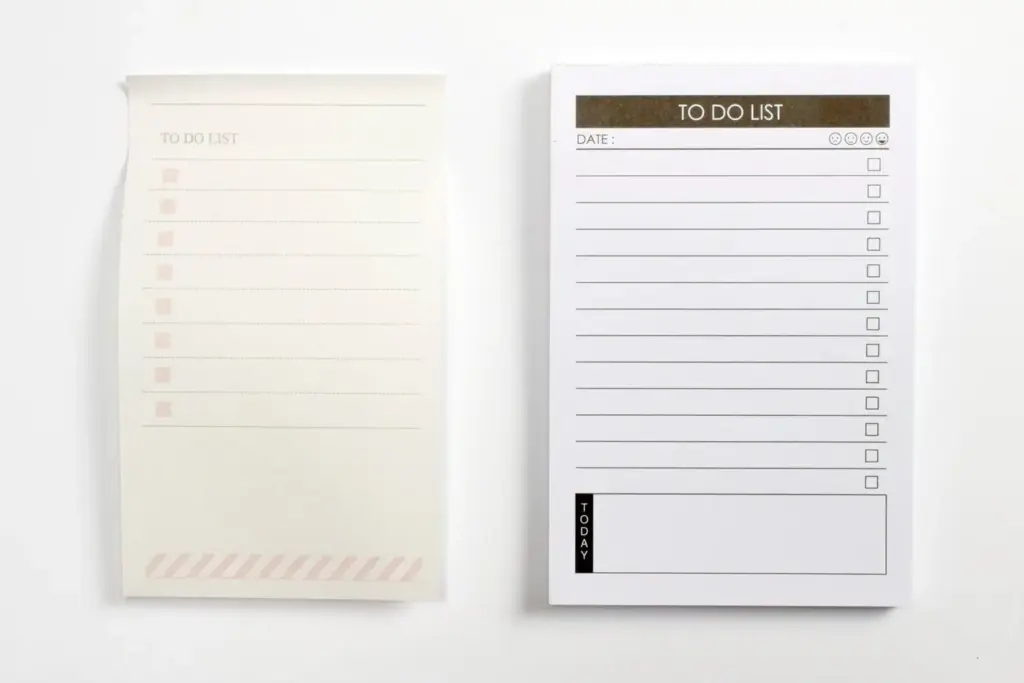
Begin with a three-item commitment, not a bloated list. End with a shutdown checklist: next-step notes, calendar scan, inbox to zero, gratitude line. This five-minute pair reduces decision fatigue and primes restful evenings. After thirty days, most report calmer mornings and sharper starts.
Cadence Reviews That Actually Change Behavior
A weekly 30-minute retrospective examines shipped outcomes, not hours. Keep three prompts: What moved metrics, what dragged, what to stop. Capture one improvement, schedule it, and delete one obligation. The discipline compounds as small fixes stack into visibly faster cycles.
Automation as a Force Multiplier
Decision Systems Under Uncertainty
A Toolstack That Stays Lightweight





Energy, Focus, and Sustainability

Monotasking in a Multitask World
Choose one outcome, set a visible timer, and remove every alert. Track distractions on paper instead of following them. The practice feels awkward for a week, then liberating. Shipped work rises, stress falls, and satisfaction grows as attention finally lands.
Recovery Protocols that Prevent Burnout
Choose one outcome, set a visible timer, and remove every alert. Track distractions on paper instead of following them. The practice feels awkward for a week, then liberating. Shipped work rises, stress falls, and satisfaction grows as attention finally lands.
Founder Fitness as a Product Strategy
Choose one outcome, set a visible timer, and remove every alert. Track distractions on paper instead of following them. The practice feels awkward for a week, then liberating. Shipped work rises, stress falls, and satisfaction grows as attention finally lands.
Metrics, Feedback, and Accountability